
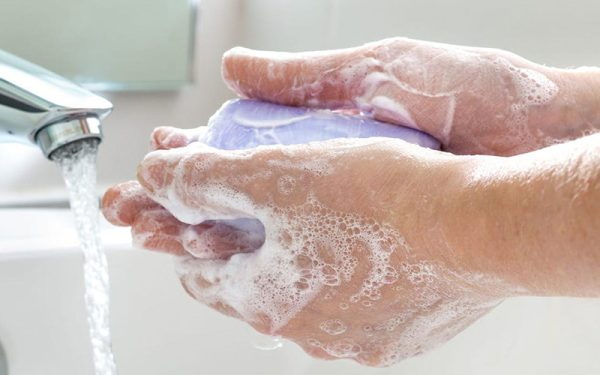
Description
Soap Formulas
Castile Soap
Made from plant-based oils, TY Cosmetic’s castile soap is an all-natural soap that can be used in a variety of ways. Many people use it to make their own soap at home, or for cleaning products such as laundry detergent and dish soap.
Papaya Soap
Papaya soap uses papaya extract as its main ingredient. It’s often used to lighten skin tone, reduce blemishes, and improve skin complexion. It can also be used to combat blackheads, whiteheads, and acne.
Turmeric Soap
Turmeric soap is made with turmeric extract and other natural ingredients such as honey, neem, almond oil, and avocado oil. This soap helps to reduce inflammation and discoloration of the skin while also providing antioxidant benefits. It can be used on all skin types, including sensitive skin.
Glycerin Soap
Glycerin soap is a type of soap that uses glycerin as the base ingredient. It’s known for its moisturizing properties and is often used to treat dry, flaky skin. It has antibacterial properties, making it an effective soap for combating acne and other skin ailments.
Goat Milk Soap
Goat milk soap is made from organic goat milk that is rich in vitamins and minerals. It helps to nourish, hydrate, and soothe skin while providing gentle cleansing properties. This soap is often used by those with sensitive skin, as it is milder than other soap formulas.
Soap Types
Liquid Soap
Liquid soaps are soap formulas that are liquid in texture. They are usually packaged in a bottle and often come with a pump dispenser for easy application. This type of soap can be used on the hands, body, or face and often provide mild cleansing.
Toilet Soap
Toilet soap, also known as medicated soap, is typically used for handwashing in restrooms. It contains antibacterial ingredients and helps to reduce the spread of germs. This soap type is usually packaged in bar form and has a strong scent.
Bath Soap
Bath soaps are specifically designed for bathing. They usually come in liquid or bar form and often contain moisturizing ingredients such as shea butter and olive oil. These soap types are used to cleanse the skin while also providing nourishment and hydration.
Bar Soap
TY Cosmetic bar soaps are typically made from a mixture of soap base and natural ingredients. It is generally more affordable than liquid soap and provides a longer-lasting product. It is also ideal for those with sensitive skin as it does not strip away moisture as some liquid soaps do.
Skin Whitening Soap
Skin whitening soap is specifically designed to lighten skin tone and reduce the appearance of dark spots. This soap type usually contains ingredients such as kojic acid, bearberry extract, or mulberry extract, which are known to help brighten skin. It can be used on all skin types but should be used in moderation.
Soap Kit
Soap kits are ideal for those who want to create their own soap at home. These kits usually come with soap molds, soap bases, fragrances, and other soap-making accessories. It is a great way to customize soap according to individual preferences and skin type.
Soap Manufacturing
Step #1
Soap is created by saponifying oils. Saponification is the process of breaking down oils into soap and glycerin. This can be done through a variety of methods, such as the hot process, cold process, and melt and pour.
Step #2
Then the soap base will be added. The type of soap base used will depend on the desired properties of the finished product. Soap manufacturers commonly include vegetable oils, animal fats, and synthetic detergents in their soap bases.
Step #3
Once the base is chosen, additional ingredients can be added to customize the soap according to individual preferences. These ingredients may include fragrances, colorants, exfoliants, and natural additives.
Step #4
Depending on the type of soap, it may need to be milled, which involves running the soap through a machine to create a smooth texture or poured into molds and being allowed to cool for several hours. After cooling, it can then be cut into bars or packaged in bottles as liquid soap.
Step #5
Finally, the soap is tested to ensure that it meets quality standards. Once the testing process is complete, the soap can be labeled and shipped out for sale.
Depending on the type of soap, it may need to be milled, which involves running the soap through a machine to create a smooth texture or poured into molds and being allowed to cool for several hours. After cooling, it can then be cut into bars or packaged in bottles as liquid soap.
Considerations When Buying Soaps
Purpose
It is important to consider what purpose you are looking for in a soap. If it is for everyday use, look for one that will provide gentle yet effective cleansing while maintaining moisture balance on the skin. For special purposes such as skin whitening or acne-fighting, select soaps specifically designed for these needs.
Ingredients
It is also important to check the ingredients of the soap, as some may contain harsh chemicals or artificial fragrances that can cause skin irritation. Always look for natural, plant-based ingredients such as olive oil and shea butter. These are known to be gentle on the skin while still providing effective cleansing. For example, green bar soap typically contains natural ingredients which help keep skin moisturized and soft.
Scent
The scent of the soap can also make a difference. Many people opt for unscented soaps, but those who enjoy fragrances may want to select one with a light and pleasant scent. It is also important to note that some fragrances can be overpowering, so be sure to select one with a light and pleasant scent.
Skin Type
Your target market’s skin type is also an important consideration. Those with sensitive skin may want to select a soap that is free from sulfates and other harsh detergents, while those with oily or acne-prone skin should look for soaps specifically designed for their needs.








Reviews
There are no reviews yet.